
Fiscal Year 2026
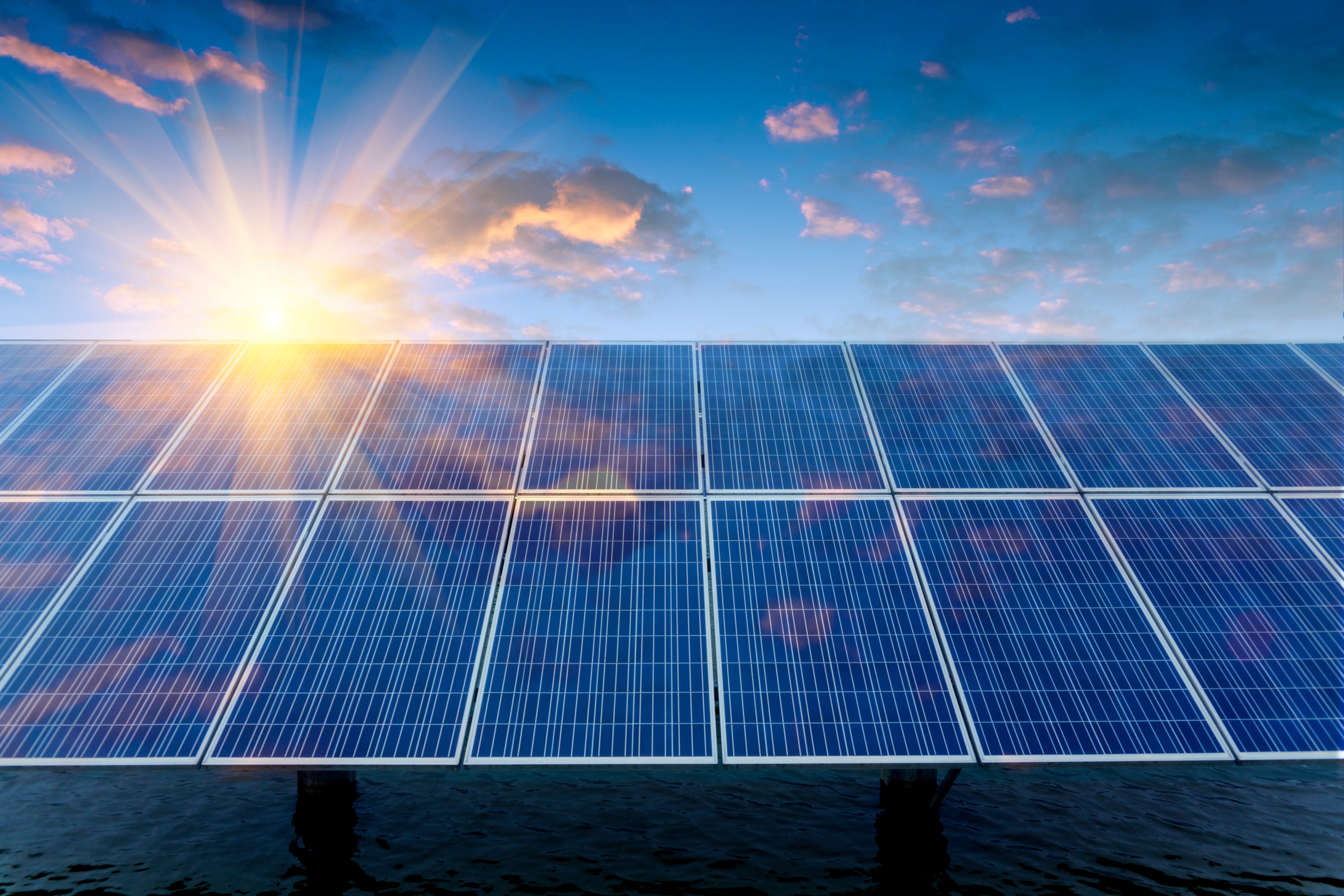
Solar Energy Harvesting and Conversion
This initiative is working to integrate photovoltaic, photodetectors, and related devices into materials-related research; energize research in these areas; and consolidate the expertise of the many research groups working on or around photovoltaics/ photodetectors.
Lead: Juan-Pablo Correa-Baena
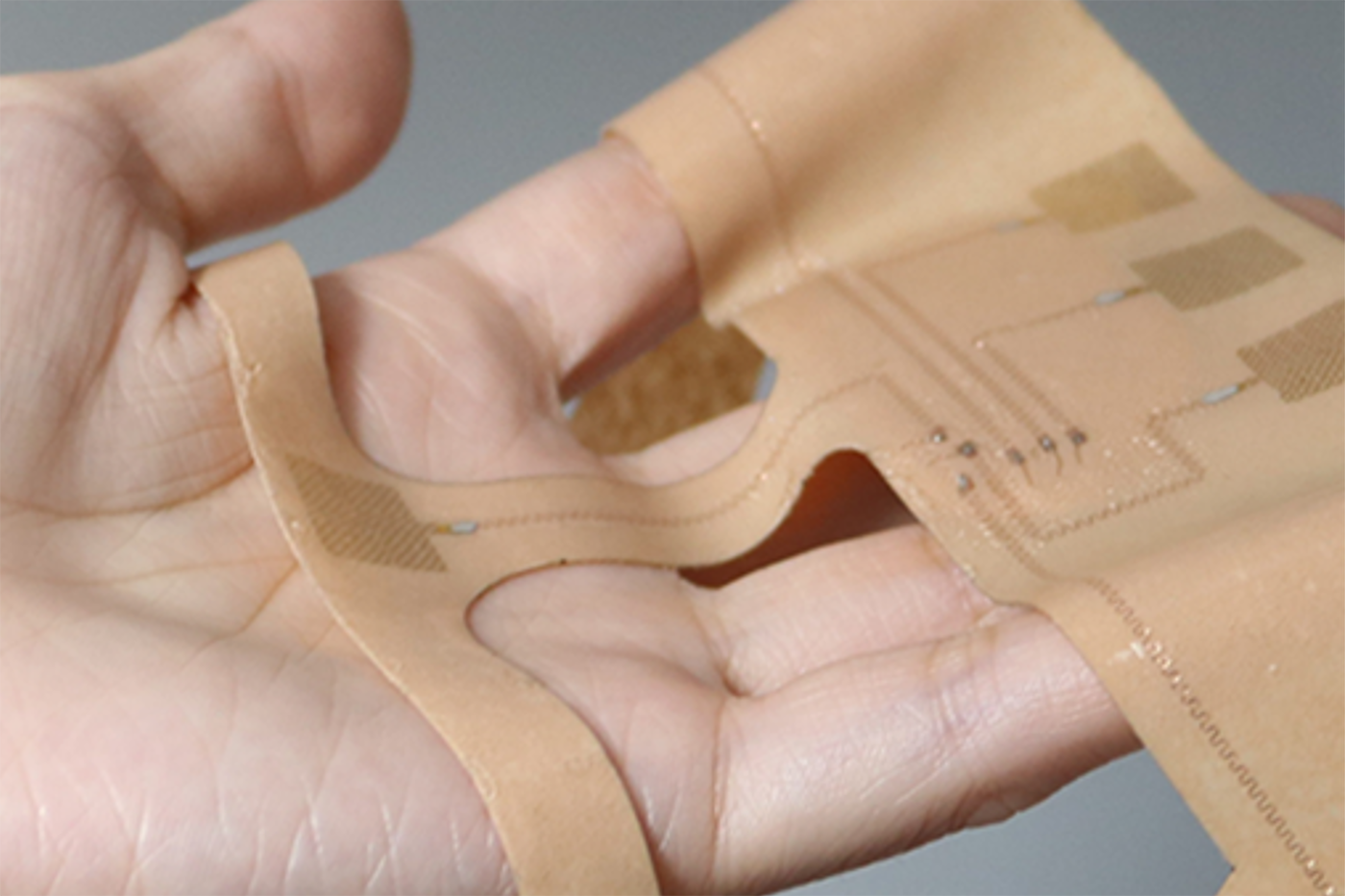
In-Body Networks of Electronic Therapeutics
A new form of wireless communication that enables a wearable patch to communicate with ingested and implanted devices regardless of their location in the body without the need for large electronic components or energy sources. The goal is for the development of previously impossible minimally invasive electronic therapeutic devices such as ingestible insulin pumps and triggerable neurostimulation systems.
Program Lead: Alex Abramson
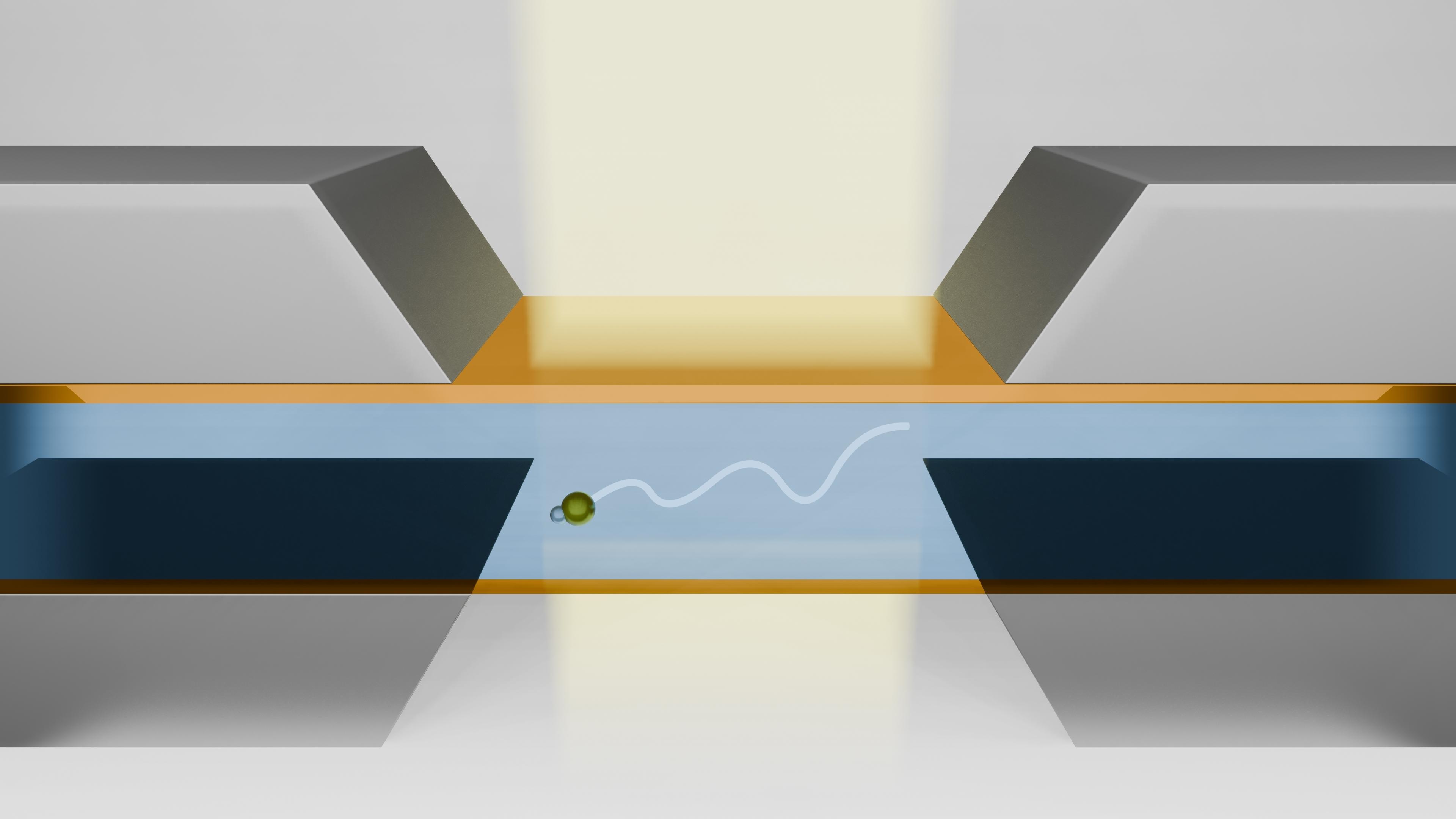
Compressed Super-Resolution TEM Using Nanoelectronic Coded Aperture Device
This research focuses on investigating the dynamics of nanoscale objects in their native liquid environment, from synthetic colloidal nanomachines to biological macromolecules, using liquid phase transmission electron microscopy. The goal is to develop experimental and computational tools to visualize and characterize dynamic behavior (equilibrium and non-equilibrium) at small length scales and in real-time.
Lead: Vida Jamali
Fiscal Year 2025

Electrochemical Manufacturing of Materials and Resource Recovery
Advances electrochemical routes for manufacturing and for recovering critical materials, bridging fundamental science and industrial practice.
Lead: Hailong Chen (ME)
Image Source: Adobe Stock
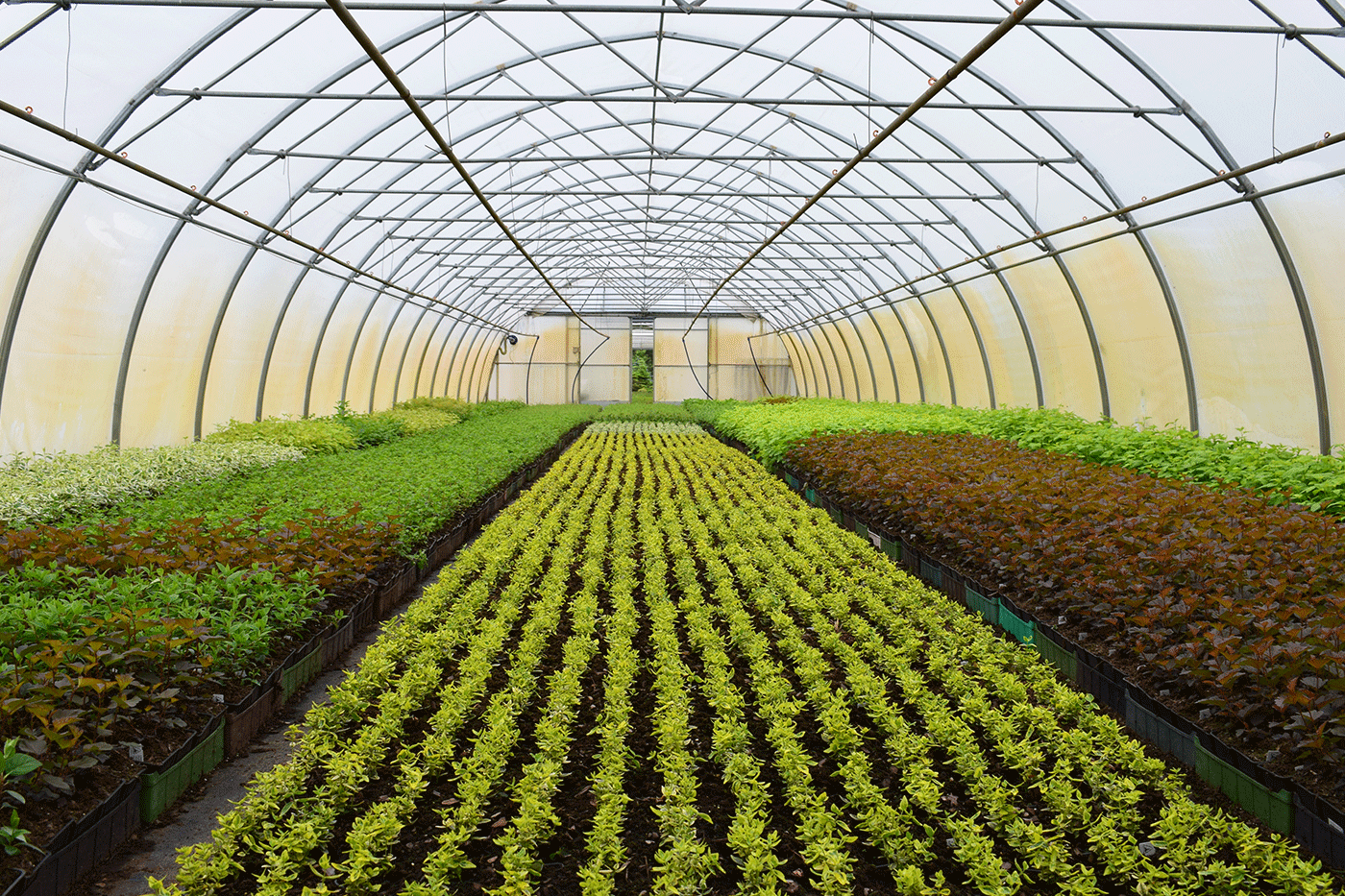
Precision Agriculture in Controlled Environments (PACE)
Develops new paradigms for managing light, water, and nutrients to enable high‑value agriculture in controlled environments.
Leads: Antonio Facchetti & Anju Toor (MSE); Yongsheng Chen (CEE)
Image Source: Adobe Stock
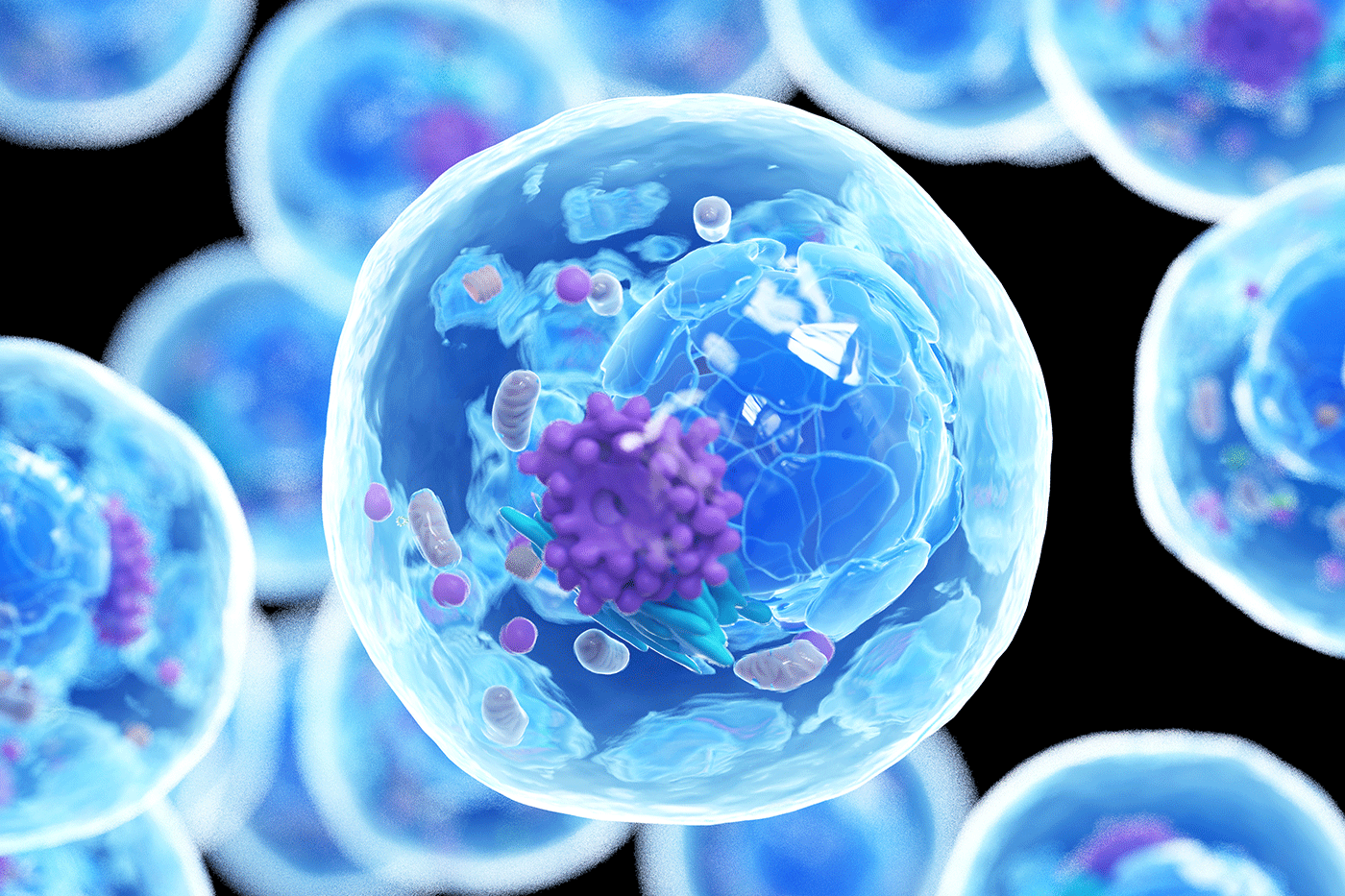
Adaptive Biomacromolecular and Cellular Networks
Builds interdisciplinary frameworks to understand and engineer adaptive behaviors in biomacromolecular assemblies and cellular systems.
Leads: Anant Paravastu (ChBE); Vinayak Agarwal and Andrew McShan (Chem & Biochem); Itamar Kolvin (Physics)
Image Source: Adobe Stock
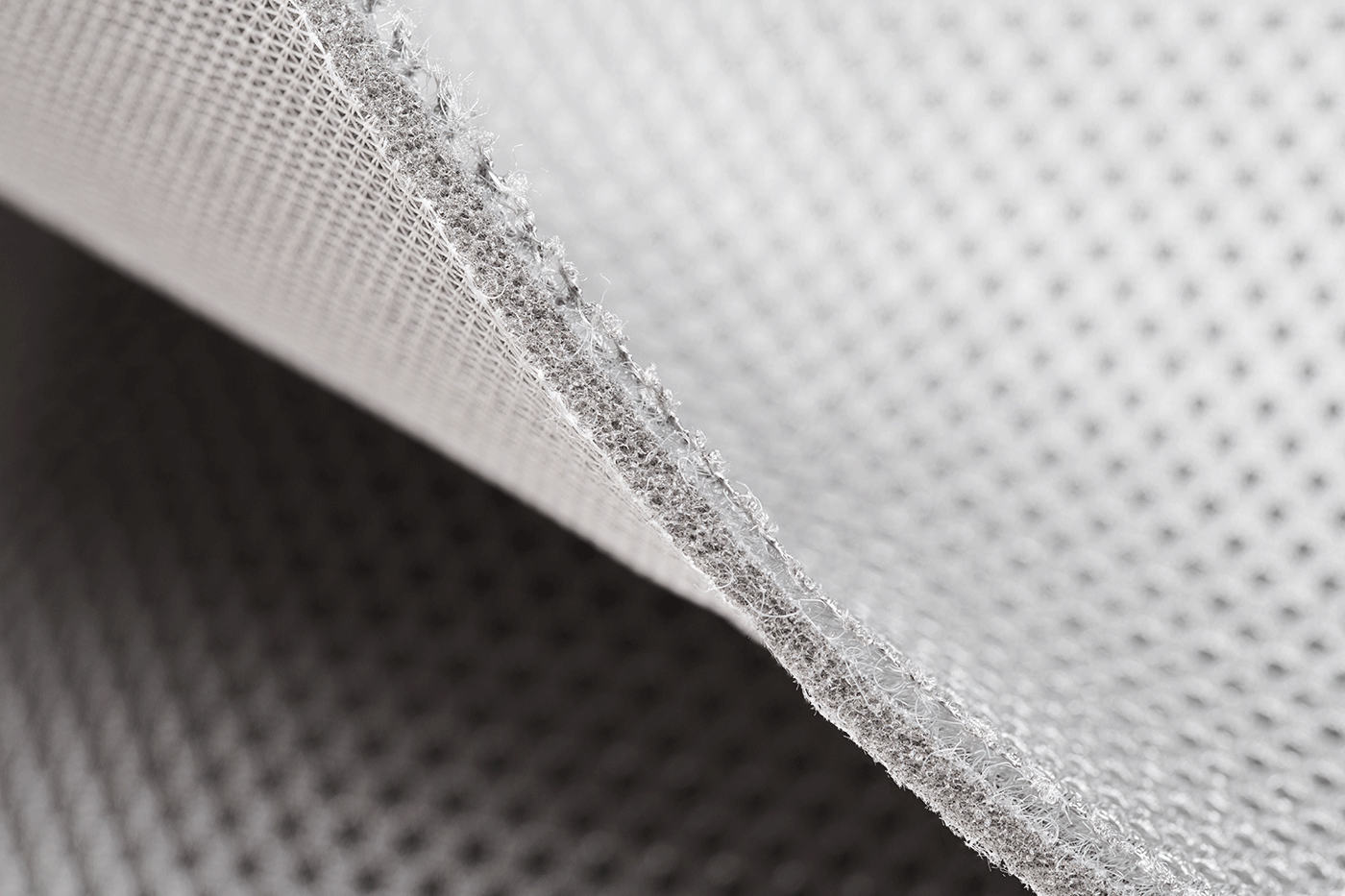
Multifunctional Materials for Efficient Buildings
Pursues materials‑to‑systems approaches (from components to whole‑building integration) to reduce energy use and improve sustainability across homes, commercial spaces, and data centers.
Lead: Akanksha Menon (ME)
Image Source: Adobe Stock
Fiscal Year 2024

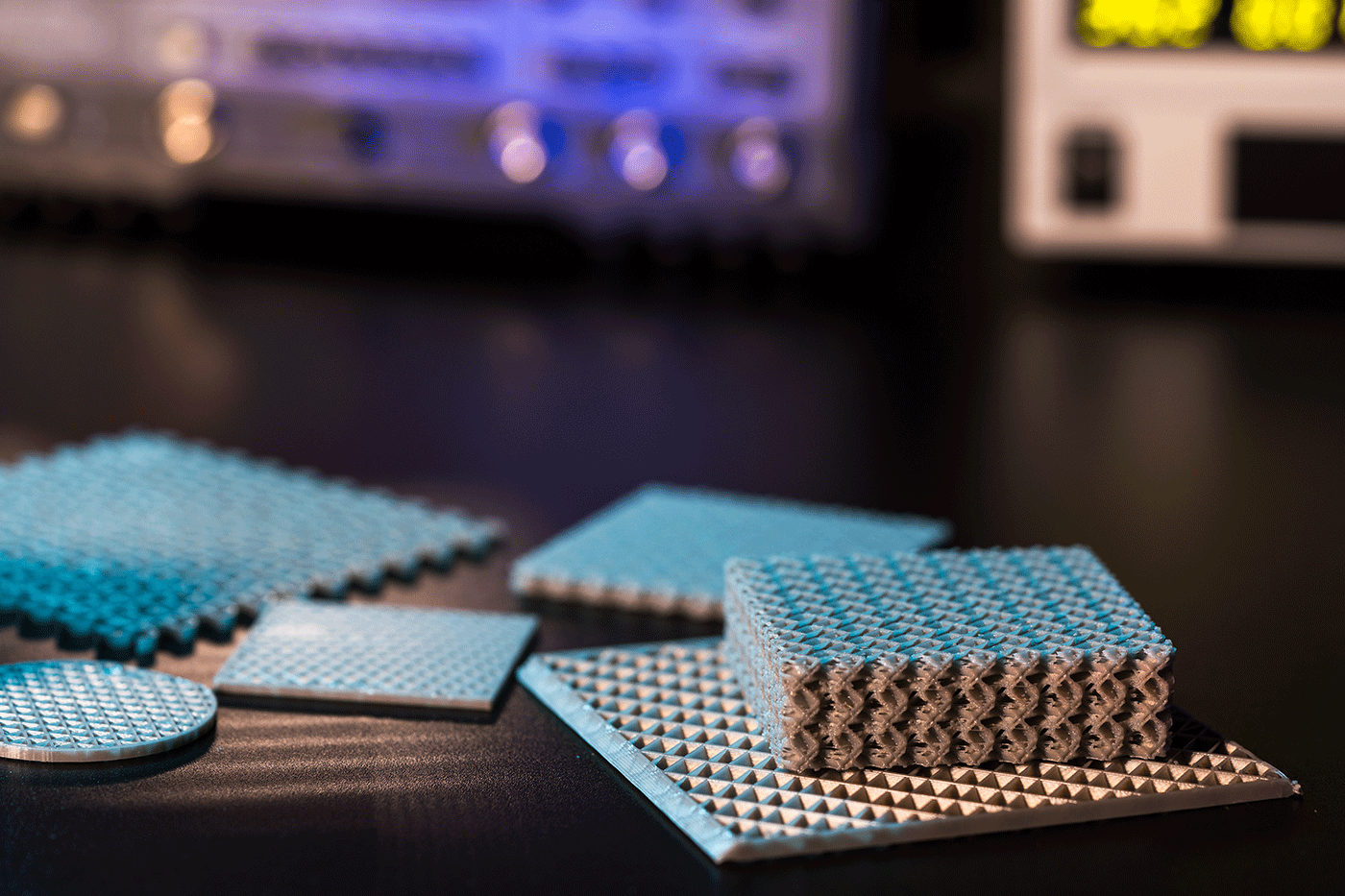
Metamaterials for National Security
Investigates engineered materials with tailored electromagnetic/mechanical properties to address security and defense applications.
Lead: Margaret Kosal
Image Source: Adobe Stock
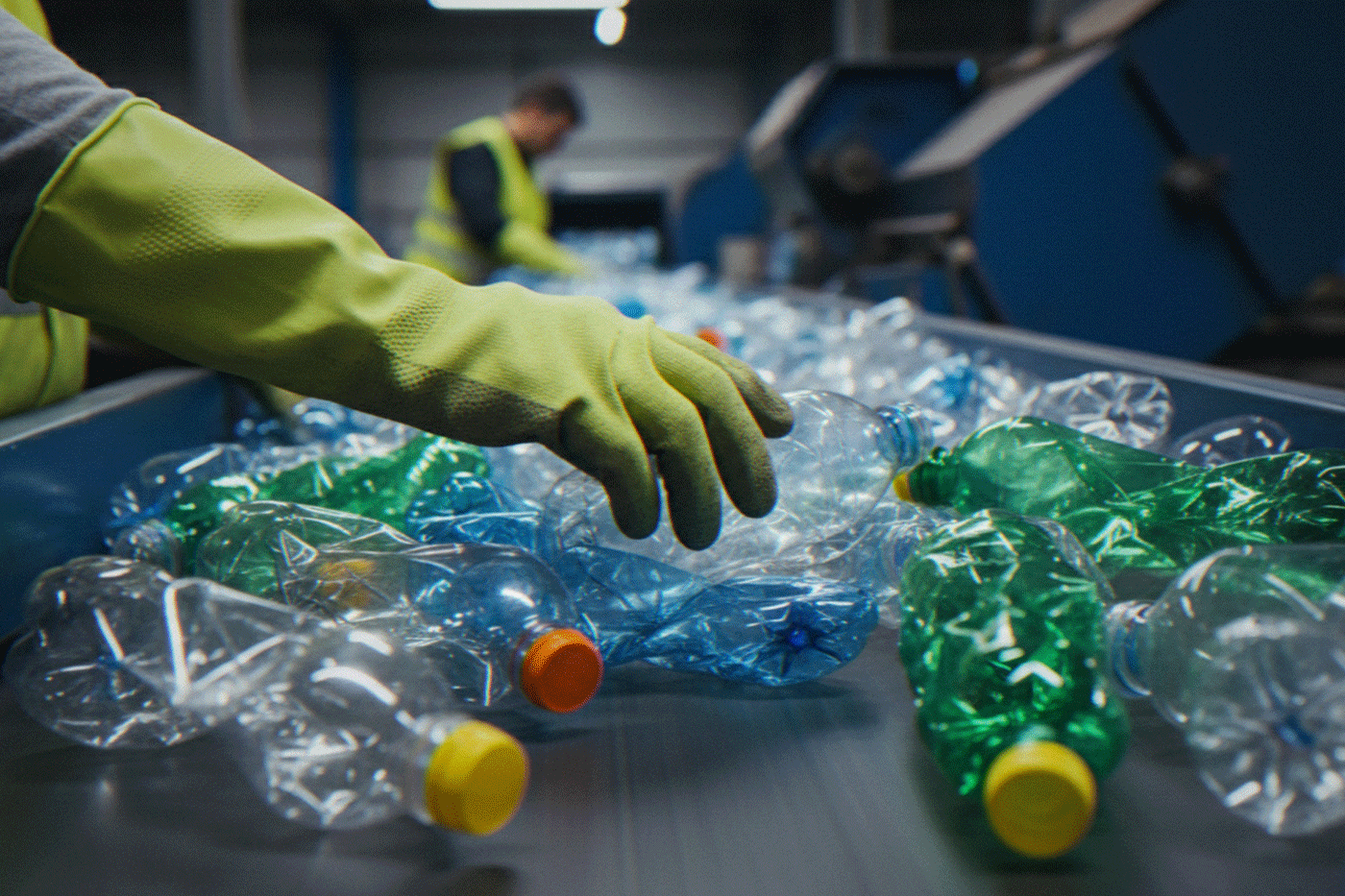
Waste Materials Processing
Develops novel techniques to process, valorize, and recover value from waste streams using materials and photonic methods.
Leads: Ebenezer Fanijo (Building Construction), David Citrin (ECE)
Image Source: Adobe Stock
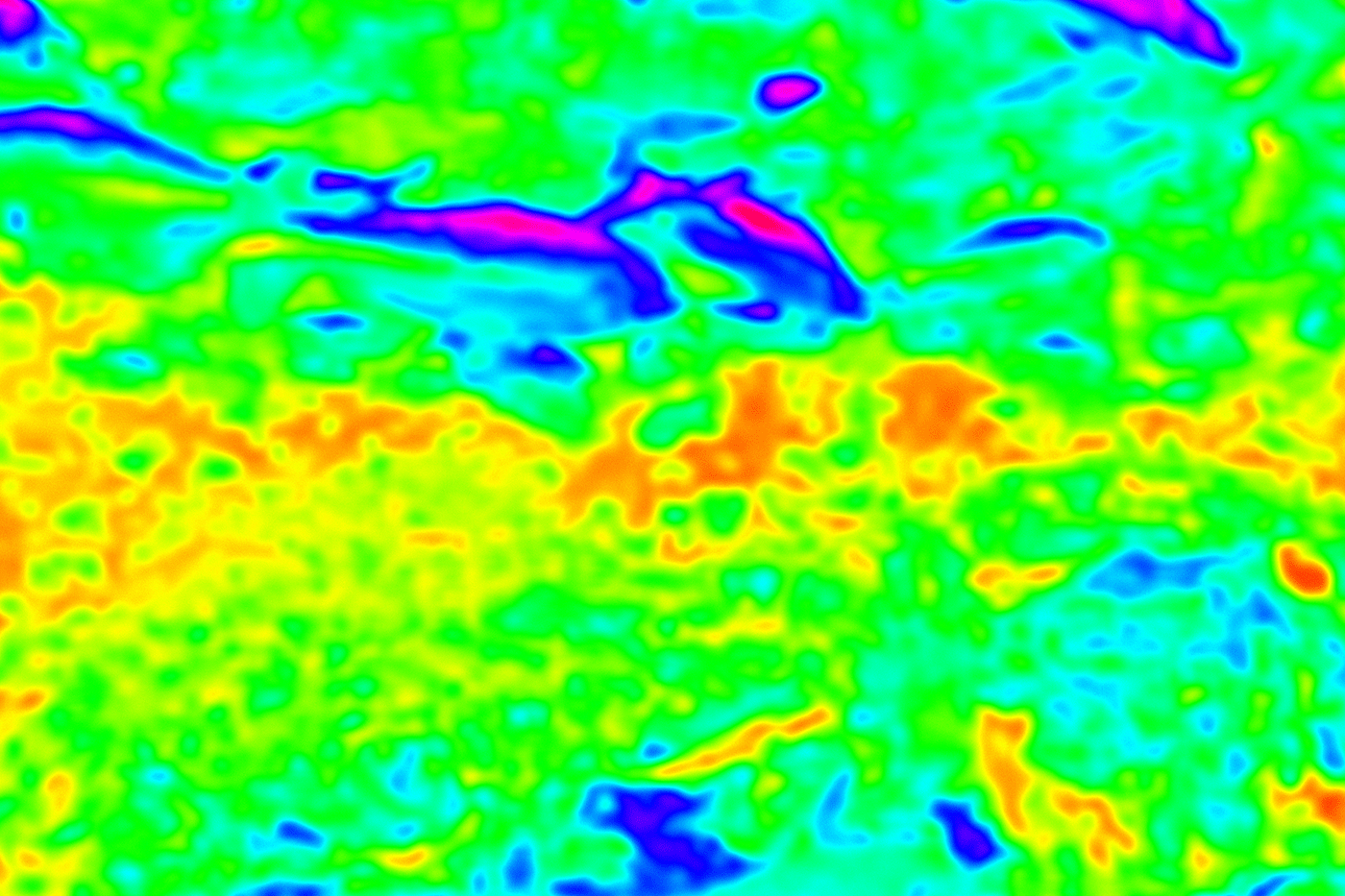
Microscale Thermal Tech for Sustainability
Integrates human thermal perception, design futuring, and systems analysis to create thermal technologies that improve sustainability and climate resilience.
Leads: Noura Howell (LMC), Joe Bozeman (CEE)
Image Source: Adobe Stock

Sports Research, Innovation, and Technology (SPRINT)
Connects academic researchers with Athletics to accelerate sports technology, performance analytics, and human‑centric innovations.
Lead: Jud Ready (GTRI)
Image Source: Adobe Stock
Incentivizing Breakthrough Science
Studies policy and incentive structures that catalyze high‑risk, high‑reward research and scientific innovation.
Leads: Usha Nair‑Reichert (Economics), Richard Barke (Public Policy)
Image Source: Adobe Stock

Matter and Information
Explores how information theory, computation, and materials interact—linking physical matter and digital information for new computing paradigms.
Lead: Florian Schäfer (CSE)
Image Source: Adobe Stock